

Table of Contents
- Understanding Celiac Disease and Why Gluten-Free Matters
- Safe and Unsafe Foods for a Gluten-Free Diet
- How to Read Gluten-Free Food Labels
- Gluten Cross-Contact: Where It Happens and How to Prevent It
- Gluten-Free Snacks for Coeliac Disease
- Gluten-Free Lollies: What to Look For
- Everyday Tips for Managing Celiac Disease
- Conclusion
- Frequently Asked Questions
Last Updated: October 17, 2026
Understanding Celiac Disease and Why Gluten-Free Matters
Celiac disease is an autoimmune condition in which the body's immune system attacks its own small intestine when gluten is eaten. Gluten is a protein found in wheat, barley, rye, and oats that are not specially processed. For people with celiac disease, even small amounts trigger damage that can prevent the body from absorbing nutrients properly. This guide from MMMORE walks through what that means day to day, and how to eat well without constantly worrying.
The distinction that matters most: celiac disease is not an allergy and not a lifestyle preference. It is a medical condition that requires a strict, lifelong gluten-free diet. Coeliac Australia, the peak body for the condition, notes that the only current treatment is complete avoidance of gluten. There is no medication that neutralises it after the fact.
That single fact shapes everything else. A crumb of regular bread, a splash of soy sauce, a dusting of flour on a shared bench: any of these can cause harm. Managing celiac disease gluten-free living is therefore less about willpower and more about systems, labels, and knowing where gluten hides.
Coeliac Australia guidance on the gluten-free diet
Safe and Unsafe Foods for a Gluten-Free Diet
Naturally gluten-free foods form the backbone of a safe diet. These include fresh fruit and vegetables, plain meat, fish, eggs, legumes, nuts, rice, corn, quinoa, and plain dairy. If it grew in the ground or came from an animal and has not been processed, it is almost always safe.
The risk sits in processed and prepared foods. Gluten appears in obvious places like bread, pasta, and biscuits, but also in less expected ones: thickened sauces, marinades, stock cubes, processed meats, and some confectionery.
Food Category |
Generally Safe |
Requires Checking |
|---|---|---|
Grains |
Rice, corn, quinoa, buckwheat |
Oats, unless labelled gluten-free |
Sauces |
Plain vinegar, tamari |
Soy sauce, gravies, stock cubes |
Snacks |
Plain nuts, fruit |
Flavoured chips, coated nuts |
Sweets |
Plain chocolate |
Lollies, liquorice, malted items |
A common mistake is assuming "wheat-free" means the same as "gluten-free". It does not. Barley and rye can still be present.
How to Read Gluten-Free Food Labels
Reading labels is the skill that separates a stressful gluten-free diet from a manageable one. The good news is that labelling rules exist to make this easier, provided you know what to look for.
Start with the ingredient list, then check for a declaration about gluten. In Australia, allergens must be declared, and gluten is one of them. Look for the word "gluten" in bold within the ingredient panel, or a "may contain" statement nearby.
Australian Labelling Rules and What They Actually Mean
Australia and New Zealand share a joint food standards code administered by Food Standards Australia New Zealand. Under this code, a food can only be labelled "gluten-free" if it contains no detectable gluten. Products labelled "low gluten" must meet a separate, stricter threshold and are not suitable for people with celiac disease.
The practical takeaway: if a product carries a legitimate "gluten-free" claim in Australia, it has met a defined standard. If it carries vague wording like "made without wheat", treat it with caution.
Food Standards Australia New Zealand on gluten claims
Gluten Cross-Contact: Where It Happens and How to Prevent It
Cross-contact is the transfer of gluten from a gluten-containing food or surface to a gluten-free one. It is the reason a "gluten-free" meal can still make someone sick. The most common locations are shared toasters, chopping boards, fryers, and utensils, plus bulk bins and shared condiments like butter or jam.
Prevention comes down to separation and cleaning:
- Use a dedicated toaster or toaster bags
- Keep separate chopping boards and utensils where possible
- Wash hands and surfaces before preparing gluten-free food
- Avoid shared fryers, which hold gluten from battered items
- Scoop from bulk bins only if the shop uses dedicated gluten-free bins
Eating out is where cross-contact is hardest to control. Asking staff directly about preparation, separate cooking surfaces, and dedicated fryers is reasonable and expected.
Gluten-Free Snacks for Coeliac Disease
Gluten-free snacks for coeliac disease should be built from naturally gluten-free ingredients and made in a way that avoids cross-contact. Wholefood-based options tend to be the safest and most satisfying, because they rely on ingredients that never contained gluten to begin with.
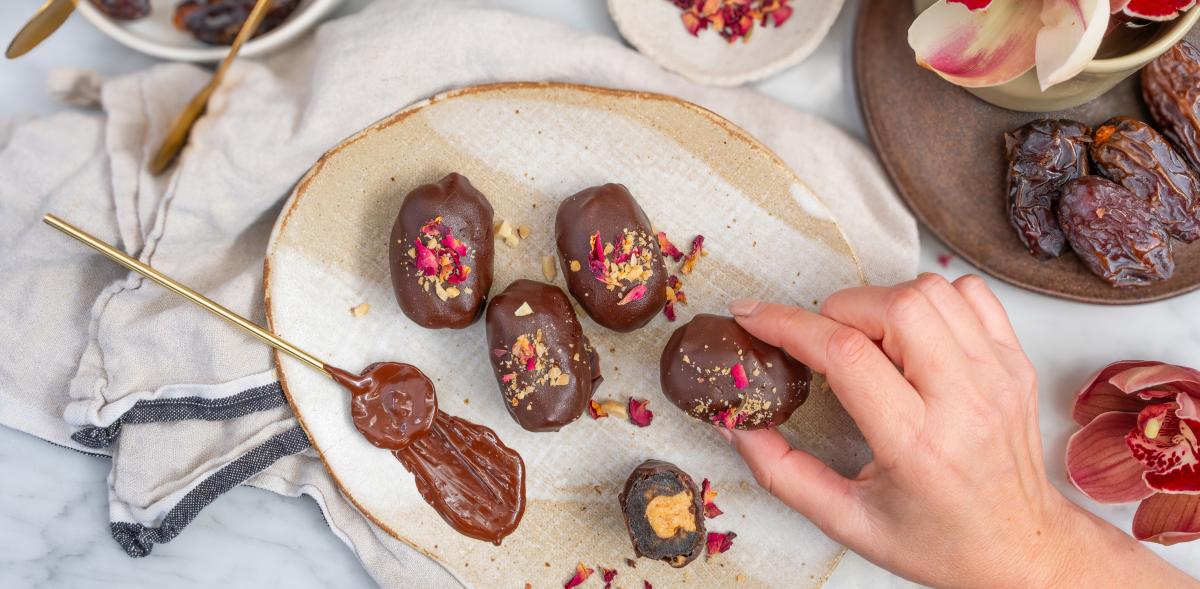
This is where MMMORE fits naturally. Our range is handmade, plant-based, and gluten-free, built from premium wholefoods with nothing artificial. Chocolate Coated Dates, The Good Bars, and Power Cubes are designed to be grabbed on the go without a label-reading session every time. For anyone managing celiac disease gluten-free eating, having a trusted snack you do not have to second-guess is worth a great deal.
Gluten-Free Lollies: What to Look For
Gluten-free lollies are not automatically safe, because some confectionery uses wheat-based glucose syrup, malt extract, or is dusted with wheat starch. The safest approach is to check the label for a gluten-free claim rather than assuming all lollies are fine.
Watch for these specific risks:
- Liquorice, which is often made with wheat flour
- Malted sweets, which contain barley
- Lollies sold loose from shared bins, where cross-contact is common
- Coated or filled sweets with wafer or biscuit centres
Plain boiled sweets, jellies without a wheat-based coating, and chocolate made without malt are usually safe when the label confirms it. When in doubt, choose a product with an explicit gluten-free statement.
Everyday Tips for Managing Celiac Disease
Managing celiac disease gluten-free living well comes down to a handful of habits that reduce daily friction. Set up your kitchen so gluten-free preparation is the default, not an exception.
- Keep a dedicated gluten-free shelf, toaster, and utensils
- Read every label, every time, because recipes change
- Cook from whole ingredients more often than packaged ones
- Carry a snack so hunger never forces a risky choice
- Tell friends and family what cross-contact means in practice
A common mistake is relaxing vigilance once you feel better. The absence of symptoms does not mean the absence of damage. Consistency is the whole game.
Conclusion
The challenge with celiac disease gluten-free eating is not knowing what to avoid. It is maintaining that care every single day, across every meal, snack, and social occasion, without letting it take over your life.
At MMMORE, we make that easier with handmade, plant-based, gluten-free treats built from premium wholefoods and nothing artificial. Our Chocolate Coated Dates, The Good Bars, Protein Cubes, and Power Cubes give you a snack you can trust without re-reading a label in the supermarket aisle. Get started with MMMORE and enjoy better-for-you treats designed to be craved, not just tolerated.
Frequently Asked Questions
What foods can you eat with celiac disease?
A gluten-free diet can include fresh fruit and vegetables, plain meat, fish, eggs, legumes, nuts, seeds, rice, corn, quinoa, and certified gluten-free oats. Dairy products without added thickeners are usually fine. Processed foods need checking for gluten-containing additives like wheat starch or malt. In Australia, look for products labelled 'gluten-free' to be confident they meet the strict standard of no detectable gluten.
Is a gluten-free diet the only treatment for celiac disease?
Yes. There is currently no medication or cure for celiac disease. A lifelong strict gluten-free diet is the only treatment. Even small amounts of gluten can trigger symptoms and intestinal damage, which is why avoiding gluten cross-contact matters so much. Regular check-ups with your doctor or dietitian help monitor your health and nutrient levels over time.
How can you avoid cross-contact with gluten?
Gluten cross-contact happens when gluten-free food touches gluten-containing food, utensils, or surfaces. Use separate chopping boards, toasters, and colanders. Wash hands and surfaces before preparing gluten-free meals. When eating out, ask staff about separate preparation areas and oil. At home, shop gluten-free products on a separate shelf, ideally above gluten-containing items, to prevent crumbs falling into them.
How do you check whether a packaged food is gluten-free?
Start with the allergen statement: in Australia, gluten must be declared. Look for a 'gluten-free' claim, which means no detectable gluten. Read the full ingredient list for wheat, barley, rye, oats, malt, and triticale. Be aware that 'wheat-free' does not mean gluten-free. If the label is unclear or the product is imported, check the manufacturer's website or contact them directly before buying.
Are oats safe for people with celiac disease?
Plain oats are naturally gluten-free, but they are often contaminated with wheat, barley, or rye during growing and processing. In Australia, only oats that are specifically labelled 'gluten-free' and tested to have no detectable gluten are considered safe. Even then, some people with celiac disease react to a protein in oats called avenin. Talk to your dietitian before adding oats to your diet.
Can people with celiac disease eat sweets and lollies?
Many lollies are gluten-free, but some contain wheat glucose syrup, malt extract, or are dusted with wheat starch. Always check the label for a gluten-free claim and scan the ingredients for barley malt or wheat. Gluten-free lollies are widely available, including plant-based options. If you are buying loose lollies from a bin, cross-contact from shared scoops is a real risk.
What are some safe gluten-free snack ideas?
Good options include fresh fruit, vegetable sticks with hummus, rice cakes, plain popcorn, cheese and gluten-free crackers, nuts, and certified gluten-free protein bars. For something sweeter, try chocolate-coated dates or gluten-free lollies. Always check labels on packaged snacks, even if you have bought them before, because recipes can change. Preparing snacks at home gives you the most control over ingredients and cross-contact.
